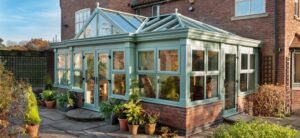
Restoration for Conservatory: A Comprehensive Guide
The dream of owning a conservatory-- a warm, light-filled space that merges the inside your home with the outdoors-- can end up being a challenging objective when faced with the truth of its maintenance and restoration. In time, conservatories may suffer from various issues such as wear and tear, weather damage, or merely out-of-date designs. Comprehending the restoration process is important for homeowners wanting to revitalize their conservatory into a beautiful and practical space. repairmywindowsanddoors intends to provide an in-depth guide on the restoration procedure, from the preliminary assessment to the final touch-ups.
Why Restoration Matters
Before diving into the specifics of restoration, it's essential to comprehend why this procedure is important. Conservatories act as important extensions of the home, supplying additional living area, a connection to nature, and an intense environment for relaxation or amusing. Nevertheless, overlooking their maintenance can lead to a variety of issues:
- Structural Integrity: Over time, poor weather can lead to structural issues, including leaks and warping.
- Visual Appeal: An outdated conservatory can interfere with the appeal of the home and garden.
- Energy Efficiency: Older conservatories might lack correct insulation, causing increased heating costs in winter and uncomfortable temperatures in summer season.
- Health Concerns: Mold and moisture can develop, causing possible health risks.
Restoring a conservatory not just boosts its appearance however also enhances its functionality, convenience, and energy efficiency.
Signs Your Conservatory Needs Restoration
Recognizing the need for restoration can save property owners money and time in the long run. Here are some typical signs that indicate it may be time for a restoration:
- Physical Damage: Cracks, dents, or missing panels in the frame or roof.
- Water Leaks: Any indications of water pooling or drips, especially after rain.
- Draughts: Increased drafts can indicate an insulation failure.
- Mold and Mildew: Visible mold on surface areas can be a sign of moisture in the structure.
- Faulty Heating/Cooling: Ineffective climate control can indicate insulation or structural issues.
- Out-of-date Aesthetic: An influx of brand-new styles and products can make an older conservatory feel out of place.
The Restoration Process: Step by Step
Restoring a conservatory normally involves numerous phases, each vital to achieving the very best results. Here's a comprehensive breakdown of the restoration procedure:
1. Initial Assessment
Before beginning any restoration, a thorough evaluation of the conservatory is necessary:
- Visual Inspection: Look for visible indications of damage, such as fractures, leaks, or considerable wear.
- Performance Review: Note any functional issues, maybe in temperature level regulation or drain.
- Professional Evaluation: It may be a good idea to seek advice from with a professional for a more thorough examination, particularly for structural issues.
2. Preparation and Design
As soon as the evaluation is completed, homeowners can move onto planning the restoration:
- Design Considerations: Decide if you want to maintain the original aesthetic or upgrade the design.
- Product Selection: Consider premium, energy-efficient materials for replacement or repairs.
- Budget plan Setting: Establish a budget plan that includes all elements of restoration, from products to labor.
3. Repairs and Renovations
With a strong plan in hand, the next step is to start repairs and remodellings:
Structural Repairs: Address any foundational issues, including repairing or replacing frames and roofs.
- Replacement Options: If a whole panel or section needs replacing, consider choices like uPVC, timber, or aluminum.
- Sealing and Insulation: Ensure that all joints and joints are sealed to prevent drafts, using premium weather-stripping and caulk.
- Interior Updates: Fresh paint, brand-new flooring, and updated furnishings can dramatically alter the visual appeal.
4. Updating Features
Restoration isn't only about fixing what's broken; it's likewise a chance to boost the conservatory:
- Lighting: Consider upgrading lighting fixtures to highlight the area.
- Heating/Cooling Solutions: Install energy-efficient units to keep comfortable temperatures year-round.
- Plant Choices: Refresh the interior with new plants that thrive in the conservatory's environment.
5. Last Touches
When the main restoration work is complete, it's time to include those final touches:
- Decorative Accessories: Use drapes, cushions, and other decoration to offer the space a relaxing feel.
- Outside Access: Ensure that courses to the garden or backyard are well-kept and inviting.
- Maintenance Plan: Create a schedule for regular maintenance to prolong the conservatory's life-span.
Frequently Asked Questions about Conservatory Restoration
What is the average cost of restoring a conservatory?
The cost of restoring a conservatory can vary substantially based upon its size, condition, and the degree of the repairs required. Usually, property owners can expect to pay between ₤ 5,000 to ₤ 25,000. However, it's necessary to get multiple quotes from specialists for a more precise estimate.
The length of time does the restoration procedure normally take?
The timeline for restoration will depend on the job's intricacy. Small repairs may take a couple of days, while significant restorations can encompass a number of weeks or perhaps months.
Can I restore my conservatory as a DIY project?
While some small repairs and visual updates can be taken on as DIY tasks, structural issues typically need professional help. It's a good idea to talk to experts for any work including electrical, plumbing, or substantial structural changes.
What are the very best materials for conservatory restoration?
Common materials for restoring conservatories consist of:
- uPVC: Known for its resilience and energy performance.
- Aluminum: Offers a streamlined, contemporary look and exceptional insulation homes.
- Lumber: Provides a classic aesthetic but requires more maintenance to avoid degeneration.
How can I improve the energy efficiency of my brought back conservatory?
To enhance energy performance, consider the following upgrades:
- Use double or triple-glazed glass.
- Set up insulated roof panels.
- Purchase high-efficiency heating and cooling units.
- Ensure correct sealing and insulation of frames and joints.
Restoring a conservatory can breathe new life into this beloved space, turning it into a luxurious sanctuary for relaxation and pleasure. By comprehending the indications of degeneration, undertaking a thoughtful restoration process, and including modern upgrades, house owners can guarantee their conservatory remains a property for years to come. Whether dealing with small updates or considerable remodellings, investing the time and resources into a well-planned restoration is eventually a choice that settles both visually and functionally.